
Blog
Woolrec: Understanding Its Meaning, Uses, and Modern Relevance

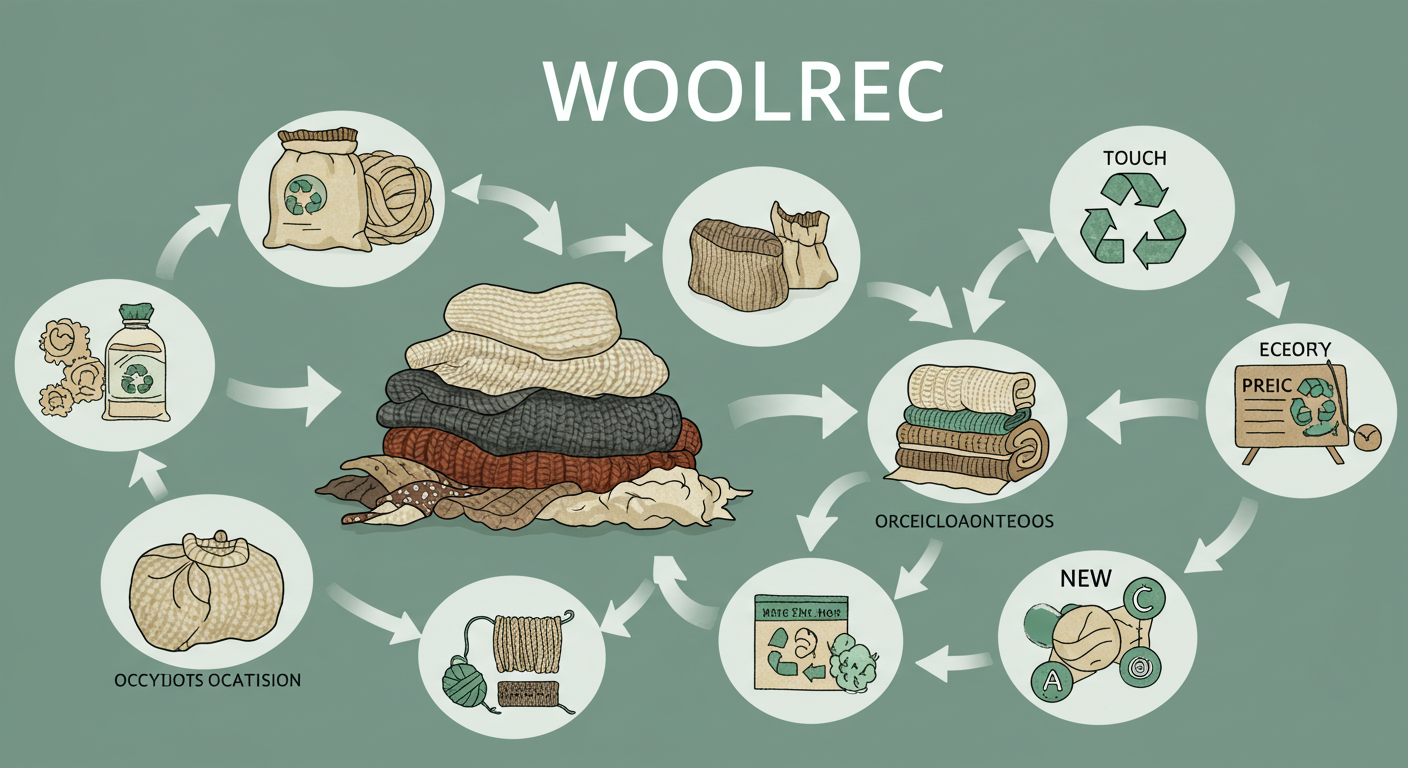
The term woolrec is increasingly gaining attention in conversations about sustainability, innovation, and modern living. While it may seem like a simple word, woolrec reflects broader themes such as recycling, eco-friendly practices, and new approaches to resource management. In this article, we will explore the concept of woolrec, its applications, cultural and environmental importance, and how it can influence everyday life.
What is Woolrec?
At its core, woolrec can be broken down into two parts: “wool” and “rec,” often interpreted as a reference to recycling or recreation. Taken together, woolrec represents the idea of giving wool or wool-based materials a second life. This might mean recycling wool products, repurposing textiles, or developing new eco-conscious solutions from old materials.
Beyond the literal meaning, woolrec also symbolizes sustainability and the conscious decision to reduce waste by finding value in existing resources.
The Origins of Woolrec
The concept of woolrec has evolved alongside the global push toward sustainable fashion and responsible consumption. For centuries, wool has been valued as a durable, natural material. However, with the rise of mass production, discarded textiles became a growing problem.
-
Historically, communities often repurposed wool garments instead of discarding them.
-
In modern times, woolrec represents a return to those roots, using innovative recycling methods.
-
In sustainability movements, woolrec has become shorthand for circular economy practices—where nothing goes to waste.
This evolution shows how a traditional material like wool can adapt to modern environmental challenges.
Woolrec and Sustainability
Sustainability is one of the strongest connections to woolrec. By focusing on reuse and recycling, woolrec supports eco-friendly living in several ways:
-
Waste Reduction: Repurposing wool reduces landfill contributions.
-
Energy Savings: Recycling wool often requires less energy than producing new textiles.
-
Eco-Friendly Fashion: Woolrec aligns with the movement toward slow fashion and conscious consumerism.
-
Lower Carbon Footprint: By extending the life of wool products, fewer resources are consumed.
For eco-conscious individuals, woolrec provides both a practical solution and a meaningful philosophy.
Practical Applications of Woolrec
Woolrec is not just an idea—it has tangible uses across industries. Some practical applications include:
-
Recycled Wool Textiles: Creating new fabrics from old wool garments.
-
Home Insulation: Recycled wool fibers are used as sustainable insulation materials.
-
Crafts and DIY Projects: Woolrec inspires creative reuse in handmade goods.
-
Eco-Friendly Packaging: Some companies experiment with woolrec for biodegradable packaging solutions.
These uses highlight how woolrec bridges creativity, practicality, and sustainability.
Woolrec in Modern Fashion
The fashion industry has a critical role to play in sustainability, and woolrec is becoming a key trend. Brands are increasingly turning to recycled materials to reduce environmental impact.
-
Clothing Collections: Some designers release woolrec-inspired collections made from recycled wool.
-
Consumer Demand: Shoppers are seeking eco-friendly products, boosting the popularity of woolrec.
-
Brand Identity: Companies that embrace often position themselves as leaders in sustainable innovation.
This makes not only a material choice but also a marketing and cultural trend.
Symbolic Meaning of Woolrec
Beyond its literal applications also carries symbolic meaning. It represents resilience, transformation, and mindful living. Just as wool can be repurposed, people can reinvent their lifestyles to be more sustainable.
Woolrec encourages individuals to see value where others might see waste, embracing creativity and responsibility at the same time.
How to Incorporate Woolrec Into Daily Life
For individuals who want to embrace there are several easy steps:
-
Recycle Wool Clothing: Donate, repurpose, or recycle old garments instead of throwing them away.
-
Support Sustainable Brands: Choose fashion labels that use practices.
-
DIY Projects: Repurpose wool at home for crafts, blankets, or eco-friendly accessories.
-
Educate and Advocate: Share the importance of with friends, family, and communities.
These actions help make part of a conscious lifestyle.
The Future of Woolrec
The future looks promising for as sustainability becomes a global priority. Innovations in textile recycling, consumer demand for eco-friendly products, and stricter environmental regulations will continue to push forward.
-
Technology: Advancements in recycling will make more efficient.
-
Global Impact: International initiatives will likely adopt practices to combat waste.
-
Cultural Shift: As people embrace authenticity and responsibility will gain deeper cultural relevance.
In short, woolrec is more than a passing trend—it is a step toward long-term environmental responsibility.
Conclusion
Woolrec is a powerful concept that combines tradition, innovation, and sustainability. By focusing on the recycling and repurposing of wool, it addresses some of the most pressing environmental challenges while offering practical benefits.
From fashion and home use to symbolic meaning and lifestyle choices, touches many aspects of modern life. It represents a shift toward more conscious living, proving that even simple changes can lead to meaningful impacts.
As the world continues to seek sustainable solutions stands out as a reminder that progress often begins with rethinking the resources we already have. By embracing individuals and communities alike can contribute to a greener, more authentic future.

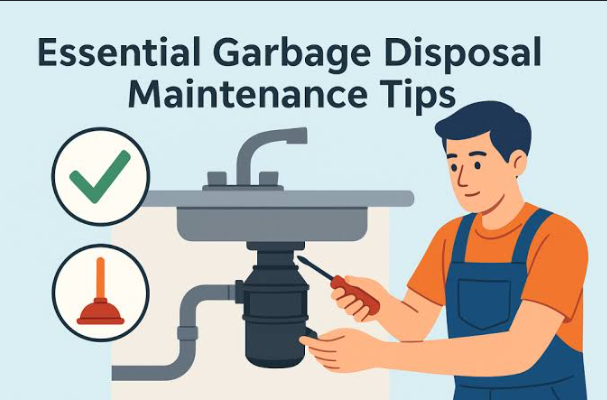
A garbage disposal is a modern kitchen staple that makes cleanup more efficient by grinding food scraps into manageable waste. While this appliance streamlines daily chores, many homeowners are surprised to learn that improper use and lack of routine care can swiftly lead to unpleasant odors, jams, or costly repairs. By following straightforward maintenance steps and everyday habits, you can extend your unit’s lifespan and minimize the risk of unexpected breakdowns. If you need professional assistance, such as garbage disposal installation and repair in Utah, it is crucial to recognize when expert help is necessary.
Sticking to a few proactive strategies not only keeps your disposal running smoothly but also maintains a fresh, clean kitchen environment. Understanding what can and cannot go down the drain, keeping the system clean, and acting quickly if problems arise are all key aspects of responsible garbage disposal ownership. Whether you have a new unit or a well-used one, adopting good habits today can mean fewer hassles tomorrow.
Daily Habits for Optimal Performance
Developing a few simple habits can make a significant difference in how well your garbage disposal performs and how long it lasts:
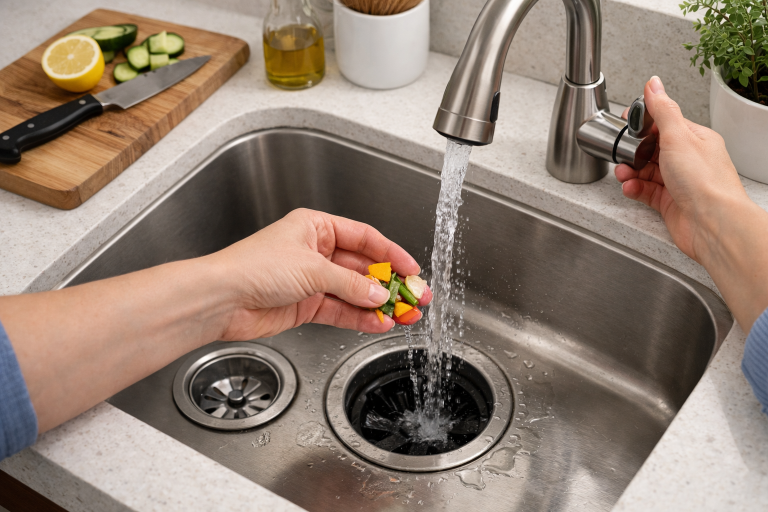
- Run Cold Water: Begin running cold water before you turn on the disposal, and continue running it while it is active and for at least 15 seconds after you turn it off. Cold water helps solidify grease and fat, making it easier to flush them through the system rather than allowing them to stick and cause clogs.
- Use the Disposal Regularly: Even if you do not have much food waste, running the disposal with water at least once a day can help prevent rust and corrosion. Regular use also keeps all moving parts in working order and helps deter obstructions from settling inside the chamber.
Foods to Avoid Putting Down the Disposal
Certain foods and substances can wreak havoc on your garbage disposal and your home’s plumbing. To prevent damage, avoid placing the following items in your unit:
- Fibrous Vegetables: Ingredients like celery stalks, corn husks, or artichokes can wrap around the disposal blades, causing jams and potentially damaging the motor.
- Grease, Fats, and Oils: Disposing of cooking oils or grease in the sink can cause them to solidify in both the garbage disposal and pipes, resulting in tough blockages. Instead, pour oils into a safe waste container for trash disposal.
- Hard Materials: Items like animal bones, fruit pits, or seafood shells are too hard for your disposal and can damage the blades or stall the motor.
- Starchy Foods: Pasta, rice, and potato peels can turn into a thick paste when mixed with water, easily clogging both the disposal and plumbing system.
Regular Cleaning Techniques
Keeping your garbage disposal clean will help prevent foul smells, stuck-on food particles, and mechanical problems. Incorporate these easy surface and deep-cleaning methods into your routine:
- Ice and Salt: Drop a generous handful of ice cubes and a tablespoon of coarse salt into your disposal. With cold water running, turn on the unit. This abrasive combination dislodges stubborn debris and gently sharpens the blades.
- Baking Soda and Vinegar: Sprinkle about half a cup of baking soda into the disposal, then add a cup of white vinegar. Allow the fizzing reaction to break down the buildup for several minutes before flushing with hot water. This helps eliminate odors and maintain a cleaner chamber.
- Citrus Peels: Putting small pieces of lemon, lime, or orange peels in your disposal can naturally neutralize odors and deodorize the unit, leaving your kitchen smelling fresh without chemicals.
Troubleshooting Common Issues
Even the best-maintained garbage disposal can experience occasional problems. Understanding basic troubleshooting steps can help you quickly restore function:
- Jams: If the disposal stops working and you suspect a jam, first switch off the power at the source. Use a hex wrench to rotate the blades manually from the bottom of the unit, then carefully remove any visible objects with tongs or pliers. Never use your fingers to reach inside the chamber for safety reasons.
- Odors: Persistent smells typically come from trapped food particles, especially around the splash guard. Remove the rubber guard and clean thoroughly with dish soap and a scrub brush to restore freshness.
- Slow Draining: When water drains slowly, it often indicates a clog within the plumbing. Plunge the drain gently or use a plumber’s snake to dislodge the blockage. Avoid chemical drain cleaners, as these can damage your disposal and pipes. For more information on clearing stubborn sink clogs safely, visit the New York Times Wirecutter’s clog removal guide.
When to Seek Professional Help
If you continue to experience problems such as leaks, persistent clogs, frequent resets, or strange noises, it is best to contact a licensed plumber. Some repairs or replacements are best handled by professionals who can diagnose electrical issues, replace worn-out components, or fully reinstall the unit. Recognizing the point when a DIY fix is not enough is essential for protecting both your appliance and your overall plumbing system.
By sticking to these guidelines, you can expect efficient, long-lasting performance from your garbage disposal while minimizing the risk of interruptions or costly repairs in your kitchen’s daily routines.

Ensuring road safety remains critically important for commercial vehicle operators today. Not only does safe driving protect the drivers themselves, it also safeguards other road users and ultimately benefits business owners who depend on smooth and secure operations. Businesses, particularly those operating in Utah, can significantly benefit from understanding how commercial auto insurance for small business in Utah works in tandem with consistent safe driving habits.
Commercial drivers face unique challenges, including larger, heavier vehicles and stricter regulations than those of typical motorists. By following proven best practices, they can minimize risks and maintain compliant, efficient operations. This article explores the cornerstones of commercial vehicle safety, emphasizing practices that have a tangible impact on reducing accidents and improving overall roadway safety.
Clear guidelines and practical approaches make a significant difference in keeping fleets moving safely and businesses running without costly interruptions. Understanding these principles is a responsibility shared by every commercial driver, fleet manager, and company stakeholder.
Adhering to these principles not only supports driver safety but also enhances public trust in commercial transportation. Regular training, coupled with thoughtful policy enforcement and integration of the latest technologies, sets the foundation for safe and reliable operations.

Understanding Blind Spots
Commercial vehicles have significantly larger blind spots than passenger cars. These zones, known as “no-zones,” are located around the front, rear, and both sides of trucks. Drivers should consistently monitor and check these areas, especially before changing lanes or making turns. Enhanced visibility can be achieved through the strategic use of mirrors and camera systems. In addition, raising public awareness among other motorists about these blind spots reduces the risk of side-swipe and merging collisions.
Maintaining Safe Following Distances
The immense size and weight of commercial vehicles require greater stopping distances. The recommended approach is to allow at least one second of following distance for every 10 feet of vehicle length when driving below 40 mph. An extra second should be added for higher speeds. This spacing gives drivers enough time to react to sudden stops or unexpected hazards, especially in heavy traffic or poor weather conditions. Major transportation safety organizations, such as the FMCSA, strongly endorse these guidelines to help curb accidents.
Regular Vehicle Maintenance
Proper, routine vehicle maintenance forms the backbone of commercial fleet safety. Scheduled inspections and repairs should cover the braking system, tires and wheels, lighting and signals, steering mechanisms, and coupling devices. Preventive maintenance helps address wear and tear before it evolves into a safety hazard. Immediate attention to any maintenance concerns can prevent costly breakdowns and ensure reliable operation during critical business periods.
Compliance with Hours-of-Service Regulations
Fatigue is one of the most significant contributors to commercial vehicle accidents. Hours-of-Service (HOS) regulations, enforced nationwide, are designed to combat driver fatigue by establishing maximum on-duty limits and required rest intervals. Drivers are responsible for understanding and adhering to these rules. Many companies rely on electronic logging devices (ELDs) to automatically track hours of service, drastically reducing the risk of manual logbook errors and supporting regulatory compliance.
Leveraging Technology for Safety
Technological advancements have transformed commercial vehicle safety practices. AI-powered dash cams now provide real-time driver feedback and automatically flag risky behaviors, such as sharp turns or hard braking. Fleet operators using these systems have reported crash reductions of up to 73 percent. Additionally, telematics platforms deliver valuable insights on vehicle health, driver performance, and incident review, supporting safer roads and reducing the potential for costly legal claims.
Adhering to Speed Limits
Speeding is not just a legal issue; it is a leading factor in many serious commercial driving accidents. Studies consistently show that even slight excesses above posted speed limits can drastically increase crash risk and severity. Events like the Commercial Vehicle Safety Alliance’s Operation Safe Driver Week highlight how common speeding is among commercial drivers, with thousands of citations issued annually. Maintaining appropriate speed, especially in harsh weather or construction zones, is pivotal for the safety of all road users.
Avoiding Distracted Driving
Distracted driving encompasses any behavior that diverts attention from the road. Common examples include handling mobile devices, eating, adjusting navigation systems, or interacting with electronic logbooks while driving. Companies must implement robust policies restricting device use while vehicles are in motion and foster a culture of undivided focus during operation. Ongoing driver education and enforcement of these rules can make a substantial difference in reducing crash rates related to distraction.
Conclusion
Safe driving practices in commercial vehicles are the foundation of effective, reliable, and responsible operations. By recognizing blind spots, maintaining a sufficient following distance, keeping vehicles under control, complying with HOS regulations, leveraging technology, obeying speed limits, and minimizing distractions, commercial drivers can greatly reduce accident risk. Ongoing education, investment in new technologies, and clear company policies help sustain these gains, ensuring safer roads for all who share them.

Both bloggers and brands are continually seeking effective strategies to enhance their online presence. One such strategy that has gained significant traction is paid guest posting. This approach not only boosts search engine rankings but also drives targeted traffic and establishes authority within a niche. For those looking to explore guest post opportunities, platforms like Valued Voice offer a streamlined process to connect content creators with brands. Valued Voice specializes in facilitating sponsored content collaborations, providing a platform where bloggers can monetize their skills while brands gain quality content and exposure.
Understanding Paid Guest Posting
Paid guest posting is the practice of paying a website or blog to publish a guest article that includes one or more backlinks. These posts are typically promotional or SEO-focused in nature but must still meet the editorial quality of the host site. The cost of a paid guest post can range significantly depending on factors such as the domain authority and credibility of the host site, the niche or industry category, the number and type of links allowed, and the turnaround time and editorial involvement. A well-selected paid guest post can offer not just SEO benefits, but also direct referral traffic and increased brand exposure.
Benefits of Paid Guest Posting
Engaging in paid guest posting offers several advantages:
- Enhanced SEO: Quality backlinks from reputable sites signal to search engines that your content is valuable, potentially improving your rankings.
- Increased Brand Visibility: Publishing on established platforms exposes your brand to a wider audience, building credibility and recognition.
- Targeted Traffic: By selecting sites within your niche, you attract readers genuinely interested in your content or products.
Choosing the Right Platforms
Selecting appropriate platforms is vital for the success of your paid guest posting strategy. Consider the following factors:
- Reputation and Trustworthiness: Opt for websites that maintain high editorial standards and have a loyal readership.
- Audience Relevance: Ensure the site’s audience aligns with your target demographic to maximize engagement.
- SEO Metrics: Evaluate metrics like domain authority, organic traffic, and backlink profiles to assess the site’s quality.
Crafting High-Quality Content
To maximize the impact of your guest posts, focus on creating content that is:
- Informative and Valuable: Address the needs and interests of the target audience, providing actionable insights.
- Well-Researched: Support your points with data and credible sources to establish authority.
- Engaging: Use a conversational tone, compelling headlines, and visuals to captivate readers.
Adhering to Google’s Guidelines
It’s essential to comply with search engine guidelines to avoid penalties. Google advises marking paid links with the “sponsored” attribute to maintain transparency. This practice ensures that your link-building efforts remain ethical and effective.
Building Relationships With Site Owners and Editors
Another important aspect of paid guest posting is fostering relationships with site owners and editors. Even though the transaction is monetary, establishing a positive, professional rapport can open doors for additional collaborations in the future. Take time to understand each platform’s content requirements and voice. Open communication and delivering quality content on time will help you become a preferred contributor. This long-term approach may even lead to discounts on future posts or invitations to write for higher-traffic parts of the website, increasing your visibility and return on investment.
Differentiating Paid Guest Posting from Other Content Strategies
It’s helpful to understand how paid guest posting fits into the broader digital marketing landscape. Unlike product reviews or banner ads, guest posts are subtle and content-driven, offering useful information with natural brand mentions. Likewise, paid guest blogging differs from influencer marketing in that it centers around in-depth written content rather than visual or short-form social media content. This makes guest posting ideal for brands that want to educate, share industry insights, or demonstrate expertise to a specific audience.
Ideal Niches and Industries for Paid Guest Posting
While almost any industry can benefit, certain niches tend to see particularly high returns from paid guest posting. These include finance, health and wellness, technology, travel, and digital marketing. In such competitive markets, a single quality backlink from an authoritative blog can make a measurable difference in organic rankings. Brands in niche industries can also use guest posting to share research, announce new features, or address common pain points, making it both an SEO and a public relations tool.
Measuring Success
To evaluate the effectiveness of your paid guest posting campaigns, monitor key performance indicators such as:
- Referral Traffic: Analyze the volume and behavior of visitors coming from your guest posts.
- Search Engine Rankings: Track changes in your rankings for targeted keywords.
- Engagement Metrics: Assess metrics like time on page, bounce rate, and social shares to gauge content resonance.
In addition to these, assess the length of time your backlinks remain live and whether they are dofollow or sponsored. Track improvements in your domain authority and regularly check for any search engine penalties or deindexing that could arise from poor-quality placements. Robust measurement helps you fine-tune your approach and maximize your investment.
Conclusion
Paid guest posting is a powerful tool for bloggers and brands aiming to enhance their online presence. By selecting reputable platforms, creating high-quality content, and adhering to best practices, you can leverage this strategy to achieve significant growth and establish authority within your niche.
Ultimately, combining transparency, strategy, and creativity will ensure success in your paid guest posting campaigns. Whether you are a blogger looking to monetize your expertise or a brand seeking to boost your SEO, guest posting remains a highly effective, scalable, and versatile component of modern digital marketing.
-

 Technology2 years ago
Revealed: 8093642079 – Find Out Who’s Behind the Number
-

 Technology2 years ago
Detecting AI-Generated Text: Tips and Techniques
-

 Business1 year ago
How Horseback Adventures Foster Connection and Wellness
-

 Technology2 years ago
Raterpoint: Revolutionizing Online Content Evaluation and Feedback
-

 Technology2 years ago
FDXMZ24: A Comprehensive Guide
-

 Entertainment2 years ago
Fappelo: How to Engage with This Exciting New Phenomenon
-

 Technology2 years ago
Perchance AI | Intelligent AI Solutions for Your Business
-

 Blog2 years ago
Bunkralbum: What You Need to Know About This Intriguing Concept