
Blog
Alexander Halpern UVA – A Visionary Force in Law, Leadership, and Academia


At the crossroads of academic excellence and innovative leadership stands Alexander Halpern UVA, a name that resonates with intellect, dedication, and impact. Known for his strong association with the University of Virginia (UVA), Halpern’s work reflects the institution’s core values—integrity, curiosity, and service. Whether in the field of law, research, or academic governance, Alexander Halpern UVA represents the next generation of visionaries committed to transforming education and policy for a better future.
The influence of Alexander Halpern UVA reaches beyond the university’s walls. His contributions bridge the gap between legal academia, ethical leadership, and real-world applications, inspiring students, faculty, and professionals alike.
The Academic Foundation of Alexander Halpern UVA
Education forms the cornerstone of Alexander Halpern UVA’s success. At the University of Virginia, he cultivated not only a sharp intellect but also a deep sense of civic responsibility. The UVA academic environment—rich in debate, diversity, and discovery—shaped his worldview and professional aspirations.
| Aspect | Details |
|---|---|
| Institution | University of Virginia (UVA) |
| Field of Focus | Law, Policy, and Leadership |
| Core Values | Integrity, Innovation, Academic Rigor |
| Contributions | Research, Mentorship, Public Service |
Through this robust foundation, Alexander Halpern UVA emerged as a symbol of how education can empower individuals to lead with purpose and compassion.
Alexander Halpern UVA and His Legal Insight
The legal field demands clarity, precision, and ethics—all qualities embodied by Alexander Halpern UVA. His academic and professional trajectory illustrates how law can be both a discipline and a vehicle for social progress.
At UVA, his involvement in legal research and community advocacy reflects a deep understanding of how justice operates within complex societies. Alexander Halpern UVA promotes the integration of modern law with human-centered perspectives, ensuring that legislation serves not only the system but also the people.
Leadership Philosophy of Alexander Halpern UVA
Leadership, in the context of Alexander Halpern UVA, extends beyond titles and responsibilities—it’s about influence, mentorship, and vision. His approach is rooted in inclusivity, transparency, and collaboration.
Under his philosophy, leadership involves creating environments where every voice matters. At UVA, Halpern’s initiatives often focus on bridging student engagement with institutional innovation, setting a new standard for academic leadership.
Alexander Halpern UVA’s Role in Academic Innovation
The University of Virginia has long been a hub for innovation, and Alexander Halpern UVA plays a crucial part in driving that legacy forward. His work in research and interdisciplinary collaboration showcases how academic institutions can adapt to evolving global challenges.
For instance, his contributions have influenced how UVA approaches policy education, sustainability, and social innovation. By connecting theory with practice, Alexander Halpern UVA ensures that students gain real-world skills while fostering intellectual curiosity.
| Innovation Area | Impact |
|---|---|
| Interdisciplinary Research | Encouraged collaboration between law, tech, and policy departments |
| Student Mentorship | Developed new mentorship programs within UVA |
| Policy Reforms | Advocated for socially responsible legal education |
| Sustainability | Supported eco-conscious campus initiatives |
Community Engagement and Social Impact
What truly sets Alexander Halpern UVA apart is his unwavering commitment to community service. His initiatives often extend beyond the university to local and global communities, reflecting a belief that education must drive social change.
He has been involved in mentoring programs, legal aid projects, and civic initiatives that empower underrepresented voices. Alexander Halpern UVA’s philosophy emphasizes that true leadership involves uplifting others and contributing to collective progress.
Mentorship and the Next Generation
The mentorship legacy of Alexander Halpern UVA is one of his most enduring contributions. By guiding students through both academic and professional challenges, he fosters a culture of continuous learning and ethical development.
Through structured mentorship and informal guidance, Alexander Halpern UVA ensures that emerging leaders are equipped with both technical knowledge and moral clarity—essential qualities in today’s rapidly changing world.
The Global Perspective of Alexander Halpern UVA
In an era defined by globalization and digital transformation, Alexander Halpern UVA has positioned himself as a forward-thinking academic and legal mind with a global outlook. His work frequently intersects with international policy, comparative law, and cross-cultural dialogue.
At UVA, his initiatives encourage students to think globally while acting locally—a philosophy that aligns perfectly with the university’s mission to create responsible citizens of the world.
Research Contributions and Scholarly Work
Research remains central to Alexander Halpern UVA’s identity. His publications and collaborative projects delve into pressing issues such as ethical governance, digital privacy, and public policy reform. These contributions not only enrich UVA’s research ecosystem but also advance conversations within broader academic and policy-making communities.
His scholarly work exemplifies how academic research can translate into tangible societal improvements. Alexander Halpern UVA’s projects often balance analytical rigor with empathy, ensuring that intellectual exploration aligns with human values.
The Future Vision of Alexander Halpern UVA
Looking forward, Alexander Halpern UVA envisions a future where academia serves as a bridge between innovation and humanity. His goal is to foster institutions that prioritize both knowledge and compassion, preparing students not just for careers, but for purposeful lives.
The legacy he builds at the University of Virginia reflects a belief that learning should never be confined to classrooms—it must evolve into meaningful action. Alexander Halpern UVA’s journey is a testament to how passion, intellect, and service can shape the future of education and leadership.
Table: Overview of Alexander Halpern UVA’s Contributions
| Domain | Contribution Summary | Impact Level |
|---|---|---|
| Legal Scholarship | Research on ethical governance | Global |
| Academic Leadership | Policy innovation and mentorship | Institutional |
| Community Service | Legal aid and civic programs | Local |
| Educational Reform | Interdisciplinary curriculum models | National |
Conclusion
Alexander Halpern UVA stands as a beacon of academic excellence, legal integrity, and visionary leadership. His association with the University of Virginia continues to inspire students, educators, and scholars to think critically, lead ethically, and contribute positively to the world.
In a time when education faces rapid transformation, Alexander Halpern UVA reminds us that true leadership begins with empathy, commitment, and an unrelenting pursuit of knowledge. His work serves as both an inspiration and a blueprint for future generations seeking to make a difference through scholarship and service.

Innovations in dental surgery continue to change how patients approach oral health, combining technology and skill to deliver better results than ever before. Today’s dentistry offers methods that prioritize both comfort and effectiveness, making dental visits less intimidating while producing healthier, more beautiful smiles. Choosing the right provider is essential to experience these benefits. Patients seeking the best dentist for advanced care should look for practices that use these modern approaches as standard of care.
The latest methods in dental surgery are not limited to aesthetics. They play a crucial role in ensuring efficient recovery, tailored treatments, and safer procedures. As a result, patients can expect not only a boost in confidence from their transformed smiles but also an improvement in overall oral health for years to come.
Minimally invasive techniques, real-time imaging, and digital modeling contribute to gentler interventions and more predictable outcomes. Dentists now have more tools to diagnose, plan, and execute procedures tailored to each patient’s unique anatomy and goals.
By embracing digital technology and robotics in dental care, clinics can achieve results that were impossible just a decade ago. From virtual previews to in-the-chair customization, patients benefit from both a better dental experience and more durable results.
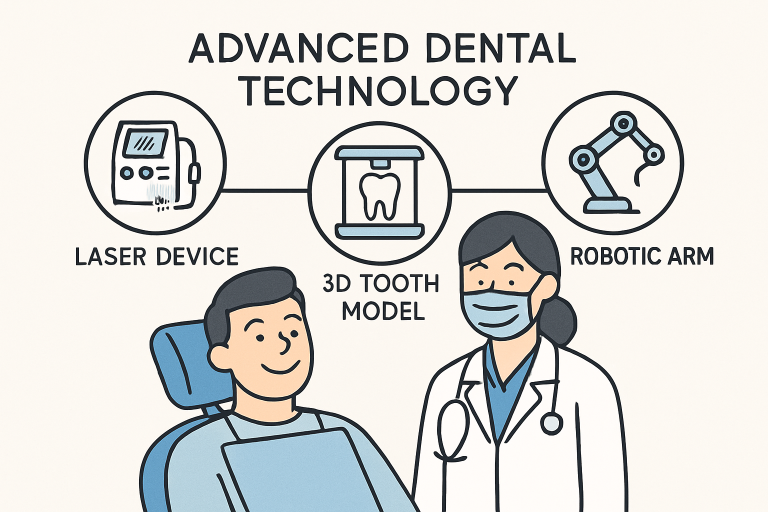
3D Imaging and Printing: Customization at Its Best
The adoption of 3D imaging and printing has brought customization to dental care. Technologies like Cone Beam Computed Tomography (CBCT) provide intricate, three-dimensional images of a patient’s mouth, enabling dentists to plan with unmatched accuracy. This level of detail allows for early detection of potential issues and safer, more predictable interventions. Meanwhile, 3D printing technology enables the onsite creation of crowns, bridges, and even surgical guides that fit perfectly, reducing wait times and unnecessary adjustments.
Digital Smile Design: Visualizing the Future
Patients today are more involved than ever in planning their dental transformations. Digital Smile Design (DSD) is an innovative tool that enables dentists to use photographs, digital scans, and software to create a virtual model of the patient’s future smile. With this preview, patients can provide feedback and collaborate on their treatment plan, ensuring the end results meet both functional and aesthetic expectations. This approach eliminates guesswork and increases satisfaction rates, giving patients confidence in their investment in dental care.
Root-Analogue Dental Implants: A Natural Fit
Traditional dental implants sometimes require multiple appointments and extended healing periods, but root-analogue dental implants (RAIs) offer a promising alternative. Inspired by the shape of the patient’s natural tooth root, RAIs can be placed immediately after tooth extraction. This method reduces the number of surgical procedures, lowers infection risk, and promotes natural bone integration. Custom-fitted to blend seamlessly with existing teeth, RAIs closely replicate the look and function of the original tooth, offering a long-term solution that feels natural and secure.
Laser Dentistry: Precision and Comfort
Laser dentistry has emerged as a transformative solution for a range of oral health issues, from cavity removal to gum reshaping. This technology uses focused beams of light to treat tissues efficiently, often resulting in faster, more comfortable treatments than conventional approaches. In many cases, patients do not need anesthesia, and laser procedures typically cause less bleeding and swelling. For example, laser gingivectomy not only allows for exceptional precision but also supports quicker recovery and reduces the risk of infection. Patients who historically avoided dental care due to anxiety are finding laser dentistry a welcome alternative, as confirmed by Healthline.
Robotic Assistance: Enhancing Surgical Precision
Robotic systems are now an integral part of complex dental procedures, enhancing the surgeon’s abilities with real-time data and automated guidance. Technologies such as DentiBot help manage delicate procedures by dynamically responding to a patient’s unique anatomy and needs. Robotic assistance is particularly valuable for procedures requiring absolute precision, such as endodontic treatments and implant placements. This technology reduces human error, shortens surgery times, and improves patient safety, ensuring optimal long-term results.
Conclusion
The evolution of dental surgery has led to more precise, personalized, and comfortable solutions for patients of all ages. By integrating advanced tools such as lasers, 3D imaging, digital smile design, and robotics, leading dental professionals can provide superior care that supports both health and aesthetics. As these innovations become standard in dental clinics across the country, individuals seeking long-lasting oral health and a confident smile should prioritize practices that embrace these techniques. The future of dentistry holds even more promise as technology and patient-centered care continue to intersect.
Today’s residential real estate market is undergoing a dynamic transformation, driven by technological advancements, evolving work habits, and shifting lifestyle preferences. Buyers and renters increasingly seek homes that accommodate remote work, technological convenience, and environmentally friendly designs. These modern shifts are evident in thriving markets such as Aspen, where high-end living intersects with the latest housing trends. For those interested in premier properties designed with today’s standards in mind, explore Aspen Homes for Sale for a glimpse of homes that embody these progressive features.
Whether looking for a high-rise apartment with wellness amenities or a smart home with energy-saving technology, consumers now demand flexibility and innovation. Factors such as sustainability, community-oriented living, and digital engagement play pivotal roles in how developers design and market new residences, shaping the future of where and how people live in both urban and suburban areas. With market pressures and environmental concerns, homebuilders prioritize innovations that increase efficiency and foster community. This holistic approach enhances property values and residents’ well-being. In leading cities and luxury destinations alike, these trends are steering the market toward greener, smarter, and more connected homes.
Staying ahead of these shifts is crucial for both buyers and industry professionals. According to a recent analysis by The New York Times Real Estate Section, incorporating flexibility and sustainable solutions adds long-term value to residential investments.

Smart Home Integration
The adoption of smart home technology has moved from novelty to necessity in many residential markets. Integrated systems for lighting, climate control, and security deliver unparalleled convenience and can significantly reduce energy consumption. Many buyers expect to see smart thermostats, remote-controlled appliances, and app-based monitoring as standard features. Not only do these technologies streamline everyday living, but they also enhance security and create personalized comfort tailored to each occupant.
Remote Work and Home Office Spaces
The remote work revolution has made dedicated office spaces a central consideration for homebuyers and renters. Flexible floor plans, soundproof rooms, and custom workstations are sought-after features in both new builds and renovation projects. Developers are also introducing multipurpose rooms and modular furnishings, allowing for adaptation as working styles continue to shift. This reflects a broader trend of homes built to serve diverse professional and personal needs without compromising on comfort or style.
Sustainable Building Practices
Growing awareness of climate change and rising utility costs has made sustainable building practices a top priority. Developers now incorporate recycled materials, solar panels, advanced insulation, and other green building technologies. These efforts minimize environmental impact while providing residents with lower energy bills and healthier indoor environments. Additionally, sustainability certifications add tangible value to properties and attract eco-conscious buyers.
Co-Living Arrangements
As urban populations rise and real estate prices soar, co-living has emerged as a practical and social alternative, particularly for young professionals and digital nomads. These communities offer private living spaces coupled with shared kitchens, lounges, and recreational areas. Such arrangements not only provide cost savings and flexibility but also create networks of support for newcomers to a city or those seeking communal experiences.
Social Media’s Impact on Real Estate Marketing
Technology has revolutionized not just the homes themselves but also the way they are bought and sold. Real estate professionals harness platforms like Instagram, TikTok, and Facebook to create immersive virtual tours and reach wider audiences. Social media-driven marketing methods can increase visibility, generate buzz around listings, and enhance engagement with buyers, sellers, and industry partners. According to The Wall Street Journal Real Estate, these platforms now influence every stage of the transaction process, from discovery to negotiation.
Emphasis on Wellness Features
Health and wellness features now play a central role in modern residential design, as home buyers increasingly prioritize spaces that support balance and well-being. Dedicated home gyms, quiet meditation rooms, and spa-inspired bathrooms encourage daily exercise, stress reduction, and self-care. Designers are also emphasizing natural light, indoor plants, and seamless access to outdoor terraces to improve mood and air quality. Together, these elements create homes that nurture physical vitality and mental clarity for modern lifestyles.
Urban Verticalization
Vertical living solutions address limited space and the growing demand in busy metropolitan areas. High-rise residential towers maximize land use while offering premium amenities, panoramic city views, and close access to broader hubs and cultural destinations. Many developments incorporate shared features such as rooftop gardens, lounges, and fitness centers. These elements recreate aspects of suburban comfort within a smaller footprint, encouraging social interaction, convenience, and a strong sense of community in dense urban environments worldwide.
Conclusion
Modern real estate trends are driven by innovation, adaptability, and a deep understanding of changing consumer needs. From smart home integration and sustainable building practices to wellness-focused layouts and digitally powered marketing, these developments are redefining residential living. By staying informed and embracing these trends, buyers and industry stakeholders can navigate a rapidly evolving landscape and secure lasting value in their investments.
In the intricate web of modern industry, pipe and valve systems are the unsung heroes, quietly ensuring the seamless, efficient, and safe transport of fluids and gases that power our world. Whether it’s oil in a refinery, steam for manufacturing, or clean water for municipal use, these systems are fundamental to keeping countless processes moving smoothly behind the scenes. The reliability of these essential components directly influences the productivity, sustainability, and safety of critical infrastructure. Companies such as Mattsco Supply Company, a leading industrial piping company Tulsa, OK, have played a pivotal role in this field, supplying high-quality piping solutions since 1975. Their commitment to innovation and service underlies much of the safety and efficiency seen in industries today.
The Backbone of Industrial Operations
Pipes and valves function much like the circulatory system in the human body: they direct, control, and regulate the flow of essential substances throughout industrial complexes. These systems, which carry chemicals, oil, gas, or water, are found at the core of power plants, refineries, food processing facilities, and healthcare institutions. Their careful design and the choice of materials are absolutely vital to withstand the sometimes extreme pressures, temperatures, and chemical characteristics of the transported media. For instance, specialized alloys and polymers might be chosen to resist corrosive chemicals or intense heat.
Advancements in Materials and Technology
Materials science has greatly enhanced the scope of piping and valve applications. Traditional materials, such as steel, iron, brass, and copper, have been supplemented or even replaced with advanced plastics and composite materials. Among the most prominent innovations is Unplasticized Polyvinyl Chloride (UPVC), valued for its combination of strength, chemical resistance, and lightweight structure. UPVC valves and piping components have revolutionized fluid control, enabling faster installations, reducing maintenance costs, and ensuring longer operational life, especially in corrosive chemical environments. Their resistance to scaling and fouling also makes them ideal for potable water and food industries, where cleanliness and purity are paramount. Furthermore, the flexibility and modularity of modern fittings enable easier system expansion and modification, supporting the dynamic needs of industrial operations.
Integration of Smart Technologies
The digital transformation sweeping across industries has fully reached the world of pipe and valve systems, ushering in a new era of automation and intelligence. The incorporation of Internet of Things (IoT) technology into these systems has fundamentally changed how industries approach system reliability and risk management. Smart sensors, embedded throughout the piping network, continually monitor parameters such as pressure, temperature, and flow rates. Data from these sensors can be analyzed in real time, providing operational teams with instant alerts when readings move outside safe thresholds. As a result, issues such as leaks, blockages, or abnormal wear can be identified and addressed before they escalate into more costly problems. Predictive maintenance, powered by advanced analytics and machine learning, enables companies to schedule servicing only when it is truly needed, reducing routine shutdowns and significantly lowering the risk of unplanned downtime. Ultimately, this integration of smart technology enhances operational efficiency and workplace safety, resulting in significant time and resource savings throughout a system’s lifecycle.
Importance of Regular Maintenance
No matter how advanced the technology or material, all pipelines and valves require routine inspection and thoughtful maintenance. Over time, natural wear and tear, exposure to harsh substances, and mechanical stress can compromise the integrity of these systems. Regular maintenance, including cleaning, lubrication, and periodic replacement of worn components, helps identify emerging issues before they lead to leaks or catastrophic failures. Valves, in particular, are critical because they directly control fluid flow and pressure and must remain responsive and tight-sealing. Neglecting maintenance not only risks significant operational disruptions but can also pose serious safety hazards, threatening both workers and the environment. For this reason, many industries invest in comprehensive maintenance programs that use both traditional physical inspections and remote monitoring data to keep their systems in peak condition year-round, thus extending equipment lifespan and maintaining regulatory compliance.
Ensuring Safety and Compliance
Industrial piping and valve systems are subject to a host of regulations and standards, designed to protect workers, communities, and natural resources from potential hazards. Adhering to these standards, whether set by industry organizations, government bodies, or international agencies, is a non-negotiable aspect of system design, installation, and operation. For businesses, compliance ensures that their systems are robust enough to handle industry-specific demands, from volatile chemicals in chemical plants to sanitary requirements in food processing. The consequences of non-compliance can be severe, including legal penalties, environmental damage, or the loss of business licenses. Moreover, prioritizing safety and regulatory compliance also builds trust with customers and the public, cementing a company’s reputation as a responsible industry leader.
Conclusion
Pipe and valve systems remain the fundamental infrastructure that enables the safe, efficient operation of the world’s most vital industries. Through continued advancements in materials science and smart technologies, these systems have become safer, more reliable, and easier to maintain than ever before. Companies that commit to regular maintenance, rigorous safety protocols, and compliance with ever-evolving industry standards will ensure that their piping networks not only keep pace with technological change but also continue to safeguard workers, communities, and the environment. The future of industry depends on the invisible work of pipes and valves, and the ongoing innovation and care invested in their design and upkeep.
-

 Technology12 months ago
Revealed: 8093642079 – Find Out Who’s Behind the Number
-

 Business8 months ago
How Horseback Adventures Foster Connection and Wellness
-

 Technology1 year ago
Detecting AI-Generated Text: Tips and Techniques
-

 Technology1 year ago
Raterpoint: Revolutionizing Online Content Evaluation and Feedback
-

 Technology1 year ago
FDXMZ24: A Comprehensive Guide
-

 Entertainment1 year ago
Fappelo: How to Engage with This Exciting New Phenomenon
-

 Technology1 year ago
Perchance AI | Intelligent AI Solutions for Your Business
-

 Blog1 year ago
Bunkralbum: What You Need to Know About This Intriguing Concept