
Technology
ApiSec Delete Account: Everything You Need to Know


Are you considering hitting the delete button on your ApiSec account? You’re not alone. Whether it’s due to privacy concerns, a change in priorities, or simply wanting a digital detox, many users find themselves questioning their online presence. Navigating the waters of account deletion can be tricky, especially when it comes to understanding what happens next. This guide will walk you through everything you need to know about deleting your ApiSec account—why you might want to do it, how to go about it smoothly, and tips for keeping your data safe along the way. Let’s dive in and explore this important aspect of managing your online footprint!
Why Should You Delete Your ApiSec Account?
There are several reasons why you might consider deleting your ApiSec account.
First, privacy concerns often top the list. If you’ve shared sensitive data or personal information, removing your account may help safeguard that data from potential breaches.
Additionally, you may find that you’re no longer using the services provided by ApiSec. Keeping an unused account can lead to unnecessary clutter and confusion in your digital life.
Another factor is compliance with company policies or regulations. If you’re transitioning to a new role or organization, deleting your old accounts can be crucial for maintaining professional integrity.
If you’ve experienced a negative experience with customer support or platform functionality, choosing to delete your account could be a way of expressing dissatisfaction while reclaiming control over your online presence.
Steps to Delete Your ApiSec Account
Deleting your ApiSec account is straightforward. Start by logging in to your ApiSec dashboard. Look for the settings or account management section; it’s usually located in the upper right corner.
Once you’re there, find the option labeled “Delete Account” or something similar. Click on it and follow any prompts that appear on your screen.
You may need to confirm your decision through a verification step, such as entering your password again or answering security questions. This ensures that only you can delete your account.
After confirmation, keep an eye out for a notification confirming the deletion process has started. It might take some time for everything to be fully removed from their servers.
Remember to check if you have any subscription services tied to this account before finalizing the deletion process.
Common Issues and Troubleshooting
When deleting your ApiSec account, you may encounter some common issues. One frequent problem is forgetting your login credentials. This can halt the deletion process before it even begins.
Another issue arises when users try to delete their accounts without completing the necessary verification steps. Make sure to check for any emails or notifications requiring confirmation.
Sometimes, technical glitches occur during the deletion request. If you experience this, refreshing the page or clearing your browser’s cache might help resolve the issue.
Additionally, keep an eye on any pending subscriptions that could prevent account deletion. Ensure all services are canceled beforehand for a smooth exit.
If you still face challenges after these steps, reaching out to ApiSec’s support team can provide clarity and assistance in navigating through these hurdles effectively.
Tips for Protecting Your Data Online
Protecting your data online is crucial in today’s digital landscape. Start by using strong, unique passwords for each of your accounts. Consider a password manager to keep everything organized and secure.
Enable two-factor authentication whenever possible. This adds an extra layer of security and makes it harder for unauthorized users to gain access.
Be cautious about the information you share on social media. Review privacy settings regularly to control who can see your posts and profile details.
Stay alert for phishing attempts in emails or messages that ask for personal information. Always verify the sender’s identity before clicking any links.
Regularly update your software and apps to protect against vulnerabilities. Outdated programs can be an easy target for cybercriminals looking to exploit weaknesses.
Consider using a VPN when accessing public Wi-Fi networks; it encrypts your connection and shields sensitive data from prying eyes.
Understanding the Importance of Account Deletion
Account deletion goes beyond simply removing a profile. It is about reclaiming control over your digital footprint.
When you delete an account, you’re taking a stand for your privacy. Personal data can linger on servers long after you’ve stopped using a service. This information might be sold, shared, or even misused without your knowledge.
Moreover, deleting an account helps reduce the risk of identity theft. The less personal information available online, the lower the chances of someone impersonating you.
It’s essential to consider what happens to your data post-deletion. Many platforms retain records for compliance and operational reasons but often allow users to erase their contributions completely.
Understanding these facets empowers individuals in today’s interconnected world. Being proactive about account management fosters better security practices and promotes awareness regarding how personal data is treated online.
Potential Challenges with Account Deletion
Deleting your ApiSec account might seem straightforward, but challenges can arise. One common issue is lingering data. While you may think you’ve removed everything, some information could remain in backups or archives.
Another potential hurdle involves linked services. If your ApiSec account connects to other platforms, deleting it may disrupt those integrations. It’s essential to consider how this action impacts related accounts and workflows.
User verification can also be a stumbling block during the deletion process. You might face unexpected prompts for authentication that delay your request.
Additionally, if you change your mind after initiating the deletion, recovery options are often limited or nonexistent. This uncertainty makes it crucial to weigh your decision carefully before proceeding with an account deletion on ApiSec.
Alternatives to Deleting an ApiSec Account
If you’re hesitant to delete your ApiSec account, consider some alternatives that might suit your needs better.
One option is to simply deactivate your account temporarily. This allows you to take a break without losing any data or settings. You can reactivate it whenever you’re ready.
Another approach involves adjusting your privacy settings. Review the permissions and notifications you’ve granted. Tightening these controls can enhance your security while keeping the account active.
You could also opt for minimal engagement by limiting how often you log in or use the service. By maintaining an infrequent presence, you reduce exposure while still having access when needed.
Explore whether there are features in ApiSec that align with current tasks or projects. Sometimes maximizing utility can make staying worthwhile instead of opting for deletion altogether.
Tips for Keeping Your ApiSec Account Secure
To keep your ApiSec account secure, start with a strong password. Use a mix of letters, numbers, and symbols. Avoid using easily guessed information like birthdays or names.
Enable two-factor authentication if available. This adds an extra layer of security by requiring a code in addition to your password.
Regularly review your account activity. Look for any unauthorized access or unusual behavior that could indicate a breach.
Be cautious about sharing personal information online. Limit what you post on social media that might help someone guess your passwords or answers to security questions.
Keep your email address linked to ApiSec secure as well. If it gets compromised, so could your account.
Stay informed about the latest security practices and updates from ApiSec. Knowledge is key in protecting yourself against potential threats.
Final Thoughts
Deciding to delete your ApiSec account is not a light choice. It often stems from personal considerations about privacy, data security, or simply a change in needs.
Understanding the implications of this action can be significant. It’s essential to weigh both the pros and cons before proceeding. Think about what you might miss out on by removing your account.
If you’re unsure, consider reaching out to customer support for guidance. They can provide valuable insights tailored to your situation.
Remember that while deleting an account may feel like closing a chapter, it doesn’t have to mean losing everything you gained from using the service. Options are available if you ever choose to re-engage with ApiSec down the line.
Take your time making informed decisions regarding digital accounts and always prioritize what feels right for you.
Conclusion
Deleting your ApiSec account is a significant decision. It’s essential to weigh the pros and cons before taking action.
Understanding the implications of this choice can help you maintain control over your digital footprint.
Consider whether it aligns with your current needs and future goals. If privacy concerns or inactivity are driving factors, then deletion may be warranted.
Always ensure that you’ve backed up any vital information beforehand. This ensures you won’t lose anything important in the process.
If you’re unsure about deleting entirely, explore options for deactivating or limiting account access as alternatives.
Staying informed about online security practices is crucial when managing accounts like ApiSec. Keeping data safe should always be a priority, whether through deletion or other means.
Navigating these decisions thoughtfully will empower you in an increasingly complex digital landscape.
FAQs
What is the process to delete my ApiSec account?
To delete your ApiSec account, navigate to your account settings. Look for the ‘Delete Account’ option. Follow the prompts and confirm your decision. Ensure you back up any necessary data before proceeding.
Will I lose all my data if I delete my ApiSec account?
Yes, deleting your ApiSec account will result in permanent loss of all associated data. Make sure to download or save anything important beforehand.
Can I recover my deleted ApiSec account?
Once you have deleted your ApiSec account, recovery is not possible. You would need to create a new account if you wish to use their services again.
Are there any reasons not to delete my ApiSec account?
If you’re considering deleting due to temporary issues like dissatisfaction with features or functionality, consider reaching out for support first. Sometimes solutions are available that can enhance your experience without needing an entire deletion.
How can I ensure the security of my personal information on platforms like ApiSec?
Always use strong passwords and enable two-factor authentication when available. Regularly review privacy settings and stay informed about potential security updates from service providers.
What should I do if I’m facing issues while trying to delete my APIsec Account?
If you encounter problems during the deletion process, check their help center or contact customer support for assistance tailored specifically for such concerns.

Introduction
In today’s digital landscape, brands are increasingly turning to data-driven marketing agencies to navigate the complexities of consumer behavior and market dynamics. By harnessing data analytics, these agencies craft strategies that resonate with target audiences and drive measurable results. For instance, Vazoola, an AI visibility agency, specializes in enhancing online presence through strategic link building and content marketing services. With a robust platform and a network of over 100,000 influencers, Vazoola empowers brands to effectively improve their search engine rankings and AI visibility.
The Rise of Data-Driven Marketing
The shift towards data-driven marketing is evident as agencies prioritize analytics to inform their strategies. A recent study revealed that 41% of agencies now focus on brand-building through data insights, with an additional 22% balancing their efforts between brand and performance metrics. This trend underscores the growing recognition of data’s role in shaping effective marketing campaigns.
AI Integration in Marketing Strategies
Artificial Intelligence (AI) is revolutionizing marketing by enabling personalized customer experiences and efficient decision-making. However, the success of AI-driven initiatives hinges on the quality of data. Brands must ensure their data is accurate and well-curated to fully leverage AI’s potential in enhancing marketing outcomes.
Balancing Data and Creativity
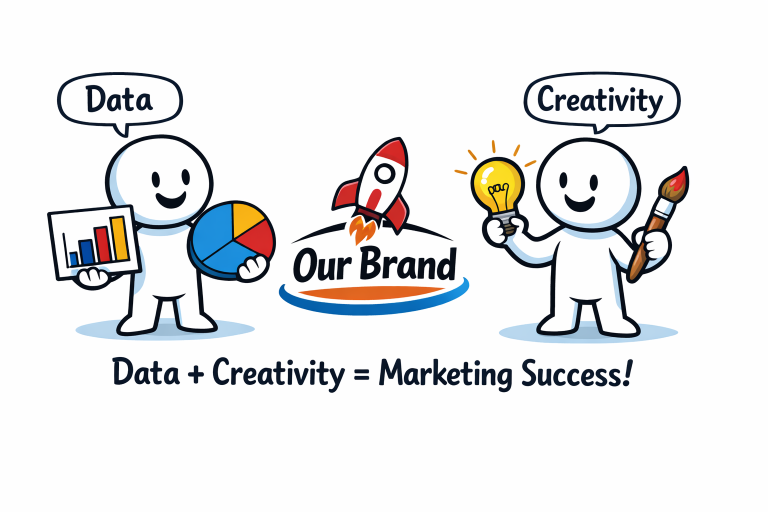
While data provides valuable insights, creativity remains essential in crafting compelling brand narratives. The future of performance branding lies in harmonizing data analytics with creative storytelling to authentically engage audiences. This balance allows brands to connect on an emotional level while making informed strategic decisions.
Case Study: Successful Data-Driven Campaigns
Consider a major U.S. sports league that partnered with a data-driven agency to overcome internal silos and enhance fan engagement. By developing AI models tailored to their primary fan groups, the league achieved a 23% improvement in ad performance and an 18% increase in tune-in conversions per thousand impressions. This example illustrates the tangible benefits of integrating data analytics into marketing strategies.
Challenges in Implementing Data-Driven Approaches
Despite the advantages, adopting a data-driven approach presents challenges, such as ensuring data quality, integrating diverse data sources, and balancing data insights with creative elements. Agencies must address these hurdles to implement data-driven strategies effectively.
Future Trends in Data-Driven Marketing
Looking ahead, the integration of AI and data analytics is expected to deepen, leading to more personalized and efficient marketing strategies. Agencies that can adeptly combine data insights with creative storytelling will be well-positioned to drive brand success in an increasingly competitive market.
Conclusion
Data-driven marketing agencies play a pivotal role in modern brand success by leveraging analytics to inform strategies, integrating AI for personalization, and balancing data insights with creativity. As the marketing landscape continues to evolve, these agencies will be instrumental in helping brands navigate and thrive in the digital age.
The Data-Driven Toolkit: Essential Methods and Technologies
To fully appreciate the impact data-driven marketing agencies have on brand development, it’s vital to understand the range of advanced tools and methodologies at their disposal. These agencies rely on sophisticated analytics platforms to process massive amounts of consumer data, including behavioral, demographic, and psychographic information. By using customer relationship management (CRM) systems, marketing automation platforms, and web analytics tools, agencies can gather granular insights into how consumers interact with brands at every touchpoint.
For example, advanced technologies such as predictive analytics, machine learning, and programmatic advertising allow agencies to anticipate consumer needs and serve highly relevant content across digital channels. Social listening tools enable brands to monitor real-time public sentiment and adjust strategies accordingly. A/B testing and multivariate testing platforms further empower marketers to experiment with messaging and design, rapidly iterating to identify the highest-performing creative assets.
How Agencies Build Customer Personas and Journey Maps
One foundational activity of data-driven agencies is constructing detailed customer personas and mapping customer journeys. Agencies analyze first-party data (collected directly from customer interactions), second-party data (partnership data), and third-party data (from external sources) to build nuanced profiles. These personas encompass not only surface-level attributes such as age, gender, and location, but also purchasing triggers, preferred touchpoints, content preferences, and historical behaviors. With meticulously crafted journey maps, agencies identify friction points and areas for improvement, ensuring that messaging remains consistent and relevant at every stage, from awareness to consideration, conversion, and retention.
This attention to detail enables hyper-targeted ad campaigns and content strategies, resulting in higher engagement rates, improved conversion metrics, and enhanced customer loyalty. Importantly, robust attribution modeling helps agencies measure the effectiveness of each tactic and optimize budget allocation for maximum ROI.
Collaboration Between Agency and Brand
Successful data-driven marketing is rarely achieved in a vacuum. Agencies and brands must work collaboratively, sharing goals, KPIs, and feedback in an iterative process. Regular strategy sessions and transparent reporting foster trust and enable real-time campaign adjustments. Data-driven agencies often provide clients with custom dashboards that offer visibility into live campaign performance and enable agile responses to shifting market conditions. This transparency is key to maintaining alignment and demonstrating value.
Ethics, Privacy, and Compliance Considerations
In an era of heightened data privacy concerns, ethical stewardship of customer information is a non-negotiable priority for leading agencies. With the enforcement of regulations such as GDPR and CCPA, brands must ensure all data-driven marketing practices comply with relevant laws. Agencies are investing in consent management platforms and employing data anonymization techniques to protect user identities. Educating both clients and consumers about data use builds trust, while transparent privacy policies and easy opt-out mechanisms further demonstrate respect for user autonomy. Ethical and compliant use of data not only mitigates risk but also strengthens brand reputation.
Expanding Into Omnichannel Marketing
Another significant trend among data-driven agencies is the move toward omnichannel marketing, creating seamless brand experiences across digital and physical touchpoints. This approach hinges on the ability to collect, unify, and analyze data streams from various platforms, from social media to in-store interactions. By integrating marketing technologies and establishing single customer views, agencies can orchestrate campaigns that reach consumers wherever they are, resulting in higher brand recall and greater customer satisfaction.
Omnichannel strategies also facilitate better retargeting, more cohesive storytelling, and contextual personalization that adapts to the audience’s stage in the buying journey. Agencies that master the art and science of omnichannel engagement are best positioned to help brands future-proof their marketing efforts in an ever-evolving digital ecosystem.
Artificial intelligence (AI) is becoming essential for businesses aiming to enhance operations and minimize human errors. Many companies are now utilizing no-code solutions, allowing non-technical users to automate processes efficiently. AI workflow builders are at the forefront of this innovation, significantly changing how teams manage business processes by simplifying complex workflows, enabling employees to focus on growth-related tasks. These builders empower various departments, from operations to finance, to transition from manual, labor-intensive processes to streamlined, intelligence-driven operations. The integration of these workflow builders helps organizations adapt to evolving customer expectations and market shifts, a crucial aspect of digital transformation.
In conclusion, implementing AI call center software can significantly transform business operations by improving efficiency, accuracy, and customer satisfaction. Companies are reaping the benefits of these platforms, which streamline routine tasks and allow employees to focus on strategic initiatives, as detailed in resources like how to implement AI call center software. Automated workflows and data-informed decision-making not only reduce costs but also enhance consistency across multiple functions. The accessibility of low-code and no-code solutions enables organizations of all sizes and industries to adopt sophisticated AI tools, adapt to evolving processes, and maintain regulatory compliance. By thoughtfully integrating AI into core business strategies, companies foster greater innovation, resilience, and long-term operational agility.
Understanding AI Workflow Builders
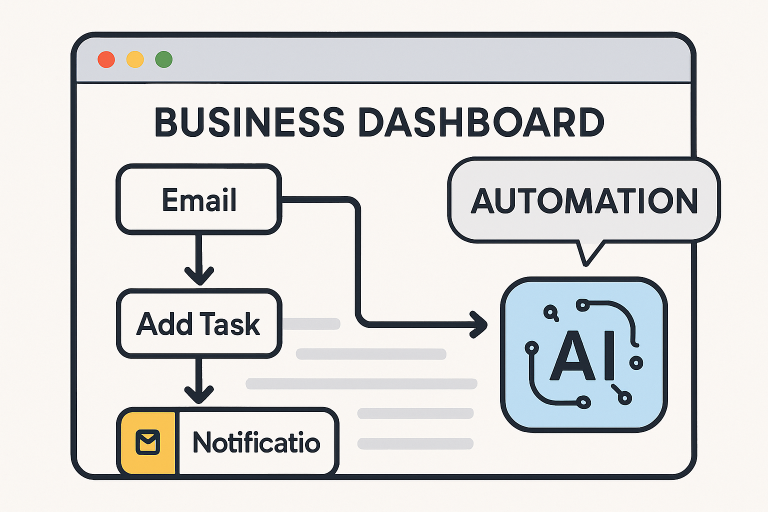
AI workflow builders provide intuitive, visual interfaces enabling users to automate end-to-end business operations with little or no coding required. By dragging and dropping prebuilt elements, users can map out the steps of even highly specialized processes, embed decision-making logic, and connect workflows to external data sources. These builders typically support integrations with popular communication channels like email, SMS, web chat, and voice, enabling businesses to manage customer and internal interactions in real time.
Crucially, AI workflow builders leverage machine learning and natural language processing to automate data analysis, generate contextual responses, and deliver intelligent recommendations. These solutions are designed to replicate intricate human workflows while offering the speed and scalability of automation. The result is increased reliability, efficiency, and the ability to handle higher workloads without increasing labor costs.
Benefits of AI-Driven Automation
- Increased Efficiency: Automating repetitive processes saves significant time and energy, allowing skilled staff to dedicate more bandwidth to business-critical projects.
- Error Reduction: By standardizing repetitive workflows and leveraging data-driven decision-making, AI minimizes human errors, ensuring greater accuracy in daily operations.
- Scalability: AI workflow builders empower organizations to expand operations swiftly without requiring a matching increase in staff or resources.
- Cost Savings: Businesses can achieve notable reductions in operational expenses by automating manual tasks and reducing the need for additional headcount.
Organizations that take advantage of AI-powered automation can future-proof their businesses. This technology not only assists with current workloads but also prepares teams to adapt quickly to changes in demand or workflow, giving them an edge in competitive markets.
Key Features to Look For
- No-Code Interface: The best workflow builders feature simple, intuitive drag-and-drop tools that make it straightforward for non-developers to design new processes.
- Stateful Memory: Advanced builders maintain contextual information throughout each workflow, ensuring continuity and delivering highly personalized interactions to end users.
- Multi-Channel Integration: Robust platforms provide support for a wide range of communication and business channels, delivering a seamless experience for both customers and internal users.
- Real-Time Testing: Many workflow builders include tools for immediate testing and iteration, enabling businesses to rapidly refine and optimize their processes.
Access to powerful analytics, compliance features, and compatibility with core business software are also essential for ensuring long-term success and adaptability.
Implementing AI Workflows in Your Business
- Identify Processes for Automation: Begin with a thorough review of your operations to find repetitive, labor-intensive tasks that would benefit most from automation.
- Select the Right Tool: Evaluate various AI workflow builders to determine which aligns best with your company’s goals, industry standards, and technical requirements.
- Design and Test Workflows: Map each workflow in detail, ensuring logical consistency and operational efficiency before going live. Beta testing with select teams or use cases can reveal valuable opportunities for refinement.
- Monitor and Optimize: Use built-in analytics and feedback mechanisms to track workflow performance over time. Make incremental improvements to ensure sustained efficiency and adaptability as your business evolves.
Challenges and Considerations
Integration of AI workflow builders into existing legacy systems often necessitates custom solutions, interdepartmental collaboration, and, in some instances, external expertise. Solutions that manage sensitive data must comply with stringent cybersecurity and regulatory standards to prevent breaches and data mismanagement. Additionally, effective change management is essential when introducing automation; it requires continuous training and support to help staff adapt to new roles and processes. Establishing clear expectations and providing sufficient resources for staff education is vital for promoting a culture of innovation and ongoing improvement.
Conclusion
AI workflow builders represent a significant step toward democratizing process automation. The tools are accessible enough for non-technical staff to harness, yet powerful enough to transform entire business operations. By focusing on key features, proper implementation, and a proactive approach to change management, organizations are well-positioned to capitalize on the efficiency, cost savings, and competitive advantage that AI automation delivers.


Simpcitu is more than just a buzzword; it’s a cultural phenomenon that has emerged from the depths of internet culture. As memes, trends, and social media interactions shape our everyday lives, Simpcitu stands at the center of it all. With its roots firmly planted in digital spaces, it influences how we communicate, date, and express ourselves in real life. This intersection between online antics and tangible experiences invites us to explore how these dynamics play out daily. As we unravel this fascinating concept, you may find yourself reflecting on your own relationship with internet culture and its implications in the world around you.
The Influence of Social Media on Real Life Interactions
Social media has revolutionized how we connect. Platforms like Instagram and Twitter have become lifelines, shaping our daily interactions.
People often turn to these platforms for validation. A ‘like’ or a comment can feel more significant than face-to-face praise. This shift influences our self-esteem and social dynamics.
While online communication fosters connections across distances, it sometimes leads to superficial relationships. Conversations that once thrived in person are now reduced to fleeting messages filled with emojis.
The art of dialogue is changing; many struggle with vulnerability in real-life encounters due to the curated nature of their online personas. Authenticity can get lost amid filters and hashtags.
Yet, there’s potential for genuine connection too. Social media allows us to share experiences, ideas, and support networks previously unimaginable in our offline lives. Balancing these worlds is increasingly vital as they intertwine seamlessly into everyday existence.
From Memes to Dating Trends: How Simpcitu Has Permeated Our Daily Lives
Simpcitu has woven itself into the fabric of our everyday interactions. It started with memes that made us laugh and reflect on modern relationships. Viral posts gave rise to a new language, connecting people through shared humor.
Dating trends have also been profoundly influenced by this online culture. Terms like “simping” have shifted perceptions about affection and vulnerability in romantic pursuits. People are redefining what it means to express interest, often leading to more open conversations around feelings.
Social media platforms serve as breeding grounds for these ideas, allowing them to spread rapidly across different demographics. Couples now navigate relationships with an awareness shaped by digital engagement.
This phenomenon isn’t limited to just dating; it influences friendships too. The way we interact is undeniably affected, blurring lines between virtual personas and real-life connections. Each post or comment contributes to how we view ourselves and others in both realms of existence.
The Positive and Negative Effects of Simpcitu on Society
Simpcitu has reshaped how communities interact. It fosters connections among like-minded individuals. People can share interests and support each other in ways that weren’t possible before.
On the flip side, it can create unrealistic expectations. Online personas often don’t match real life. This dissonance leads to disappointment, especially in relationships.
Additionally, Simpcitu contributes to a culture of instant gratification. Users expect immediate responses and validation, which can strain real-life interactions.
Mental health issues may arise as well. Constant comparison on social media platforms fuels anxiety and self-doubt for many people.
Yet, there’s potential for positive change too. Movements born from Simpcitu raise awareness about important social issues, inspiring action and community engagement.
Navigating these effects requires mindfulness and balance while enjoying the benefits of this vibrant culture surrounding us today.
Navigating Simpcitu: Tips for Maintaining a Healthy Balance Between Internet Culture and Real Life
Finding balance in the era of Simpcitu can be challenging. Start by setting boundaries for your online time. Designate specific hours to engage with internet culture, ensuring it doesn’t encroach on real-life interactions.
Engage mindfully with social media. Follow accounts that inspire or educate rather than those that drain your energy or promote negativity. Curating your feed is a simple way to enhance your mental well-being.
Prioritize face-to-face connections. Schedule regular meet-ups with friends and family, allowing genuine conversations to flourish beyond screens.
Practice digital detoxes regularly. Consider taking breaks from social platforms, even if just for a day or two each month, to recharge and refocus on personal interests outside of the digital realm.
Remember to enjoy hobbies that don’t involve technology at all—whether it’s reading a book in silence or exploring nature; these activities help ground you in reality amidst the swirling currents of Simpcitu.
The Future of Simpcitu and its Impact on the Next Generation
The future of Simpcitu is likely to evolve alongside technology and shifting societal norms. As younger generations grow up immersed in digital environments, their understanding of social dynamics will continue to be shaped by internet culture.
We can expect more nuanced interpretations of relationships influenced by online interactions. Young people might blend virtual affection with real-life connections, creating new forms of intimacy.
However, this shift could also lead to challenges. The pressure for validation through likes and shares may affect mental health. Understanding the balance between online personas and authentic selves becomes crucial.
Educational initiatives that promote healthy engagement with digital content could emerge. These programs would equip the next generation with tools to navigate both worlds confidently.
As Simpcitu continues to redefine how we connect, its impact on youth culture will unfold in fascinating ways, revealing a landscape rich in creativity yet fraught with complexities.
Conclusion:
Simpcitu has become a defining element of modern life. It embodies the fusion of online and offline interactions, shaping how we communicate and connect with one another. The influence of social media continues to expand, creating new trends that seep into our daily routines.
The effects of Simpcitu are multifaceted. On one hand, it empowers creativity and fosters community; on the other, it can lead to unhealthy comparisons and misunderstandings. Striking a balance is crucial as we navigate this ever-evolving landscape.
As we look ahead, it’s clear that Simpcitu will play an essential role in shaping future generations’ experiences with technology and culture. Understanding its nuances will help us harness its positive aspects while mitigating potential downsides.
Navigating Simpcitu requires mindfulness about our engagement levels both online and offline. By embracing authentic connections in real life alongside digital interactions, we can enrich our lives without losing touch with reality.
-

 Technology1 year ago
Revealed: 8093642079 – Find Out Who’s Behind the Number
-

 Technology2 years ago
Detecting AI-Generated Text: Tips and Techniques
-

 Business1 year ago
How Horseback Adventures Foster Connection and Wellness
-

 Technology2 years ago
Raterpoint: Revolutionizing Online Content Evaluation and Feedback
-
 Technology2 years ago
FDXMZ24: A Comprehensive Guide
-

 Entertainment2 years ago
Fappelo: How to Engage with This Exciting New Phenomenon
-

 Technology2 years ago
Perchance AI | Intelligent AI Solutions for Your Business
-

 Blog2 years ago
Bunkralbum: What You Need to Know About This Intriguing Concept